
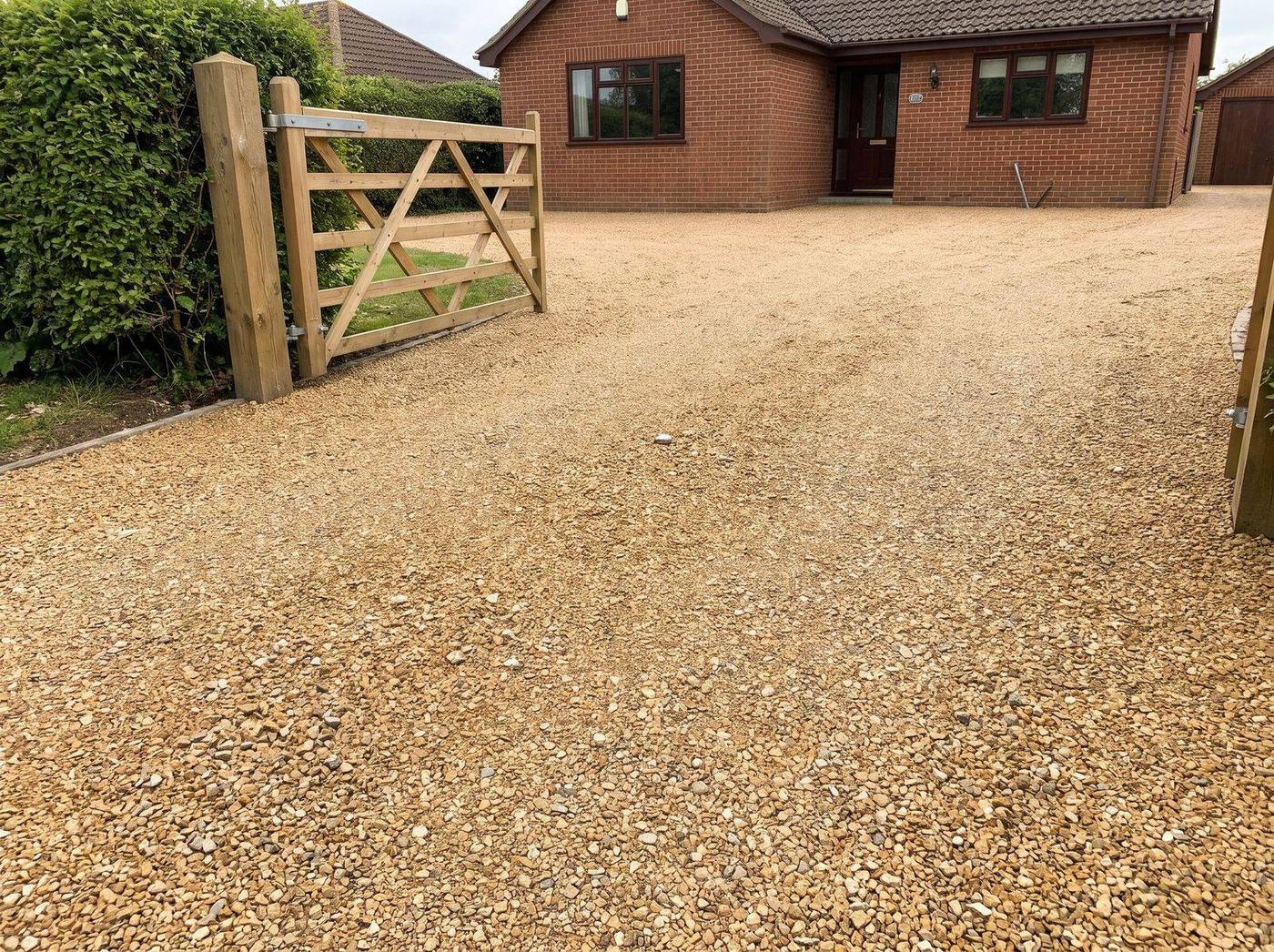
Resin bonded driveways
Resin Driveways Norwich lays resin bonded driveways in Norwich and across Norfolk: a coat of resin on a solid base with natural stone scattered into it for a textured, gravel-look finish.
What resin bonded driveways are
A resin bonded surface is made in a different way to resin bound. A layer of resin is spread over a solid, sound base and dried aggregate is scattered across it while it is still wet. The stones that land in the resin stick; once it has cured, the loose excess is swept away, leaving a textured surface that looks like gravel but stays put.
Because the resin forms a continuous coat on a sealed base, a resin bonded surface is not porous. Water runs off it, so the falls and drainage need to be right. In return it gives a rough, grippy texture that many people like on slopes, and the look is closer to a traditional gravel drive.
It suits drives, paths and access areas where there is already a sound tarmac or concrete base, and where a textured finish is wanted rather than the smooth look of resin bound.
What is included
-
A site visit
We look at the existing base, its condition and its falls, and how water leaves the area now.
-
Base repairs and cleaning
Cracks and holes in the base are put right and the surface is cleaned so the resin can grip.
-
Edging where needed
Edging to give the surface a clean line where it meets lawns and borders.
-
Resin coat
A coat of resin spread evenly over the prepared surface.
-
Stone dressing
Your chosen aggregate scattered over the wet resin to cover it fully.
-
Sweeping off
Once cured, the loose stone that has not bonded is swept up and taken away.
What to plan before you book
-
Drainage and planning
Resin bonded is not permeable. A new or replaced front garden surface over 5 square metres that is not permeable needs planning permission in England unless the water drains onto the garden, so plan where the water goes.
-
The base has to be sound
The bonded layer is thin and follows whatever is under it. A cracked or moving base will show through, so repairs come first.
-
Some loose stone at first
It is normal for a little loose stone to come up in the first weeks. A sweep now and then deals with it.
-
Days out of use
The drive cannot be used while the resin cures, so plan for parking elsewhere.
Good to know
-
Texture, not smoothness
Resin bonded gives a rough finish that some people prefer for grip. If you want a smooth surface for wheels and heels, resin bound is the better fit.
-
It can wear over time
Where tyres turn on the spot, stones can wear away from the resin. A worn patch can be re-dressed with more resin and stone.
-
Colours come from the stone
The look comes from the aggregate you choose, so the colour range is the same as natural gravels.
Side by side
Resin bound or resin bonded?
They share a name and look alike in photos, but they are built differently and behave differently. This is the quick version.
| Feature | Resin bound | Resin bonded |
|---|---|---|
| How it is made | Stone mixed with resin, then trowelled flat | Resin spread on a base, loose stone scattered on top |
| Finish | Smooth and even, the stone locked in | Textured, like gravel stuck in place |
| Water | Porous: rain drains through when laid on a porous base | Not porous: rain runs off the surface |
| Underfoot | Firm and level, easy for buggies and wheelchairs | Grippy, with a rougher feel |
| Loose stones | None, once cured | A few at first while the excess settles and is swept off |
| Front garden planning rules | Can count as a permeable surface on a suitable base | Needs its water to drain to a lawn or border, or planning permission |
| Often used for | Driveways, front paths, patios | Driveways and paths where grip matters most |
From first message to finished drive
How the job runs
- 1
Your enquiry
Send us the details through the form, with a photo of the current surface if you can.
- 2
Site visit
We check the base, the falls and the drainage, and show you stone samples.
- 3
Written price
You get a written price covering repairs, preparation, resin and stone.
- 4
Preparation
We repair and clean the base and fit any edging.
- 5
Coating and dressing
On a dry day we spread the resin and scatter the stone across it.
- 6
Sweep and handover
Once cured, we sweep off the loose stone and talk you through looking after it.
Questions people ask
Something else you want to know? Ask it with your enquiry and we'll answer it when we reply.
Is resin bonded the same as resin bound?
No. Resin bound stone is mixed into the resin and trowelled smooth; resin bonded stone is scattered onto a resin coat. Bound is smooth and porous, bonded is textured and not porous.
Why is there loose gravel after it is laid?
Some stone does not bond and works loose in the first weeks. It is swept away, and the bonded layer underneath stays in place.
Can resin bonded go on a slope?
Yes, and its rough texture gives good grip. The base and its drainage still need to suit the slope.
Does it need a particular base?
It needs a solid, sound and well-drained base such as tarmac or concrete. It cannot be laid on loose gravel or soil.
How do I keep it clean?
Sweep it regularly and rinse it now and then. Avoid harsh chemicals and high-pressure jets close to the surface, which can loosen stones.
Other resin work we do
-
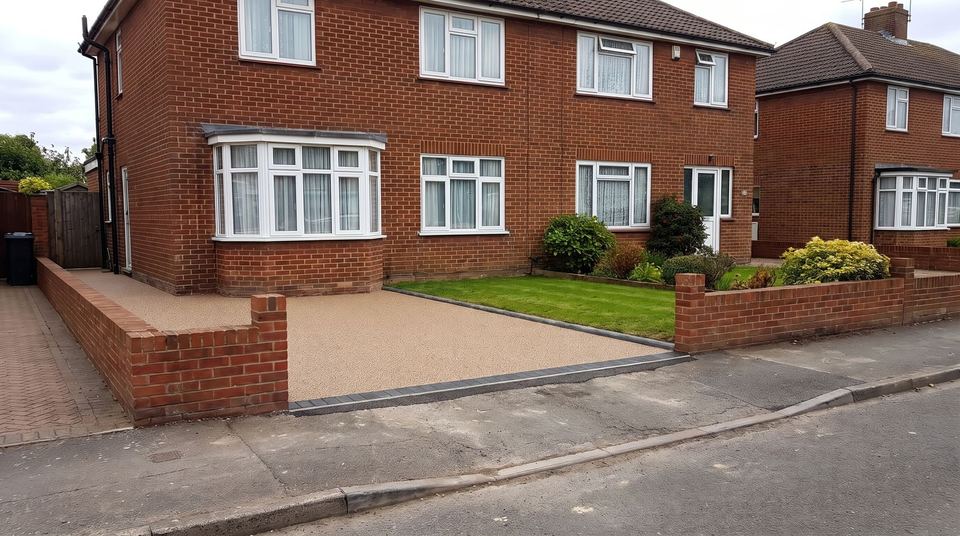 Resin bound driveways A smooth, porous stone finish mixed in resin and trowelled level. Read more
-
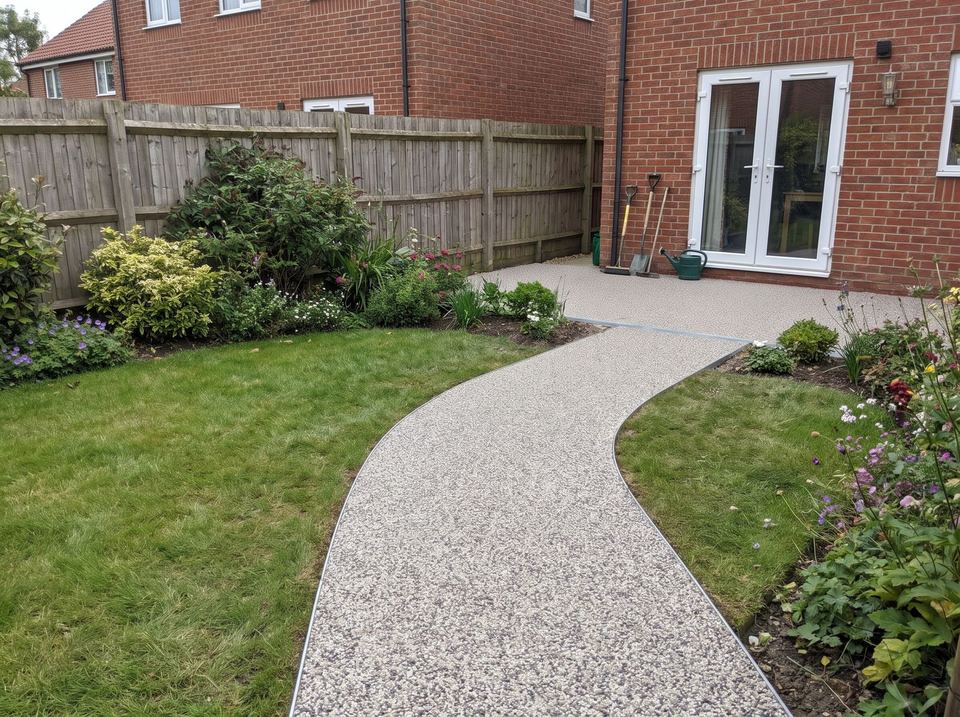 Resin patios and paths The same stone finish for garden paths, patios and the way to the door. Read more
-
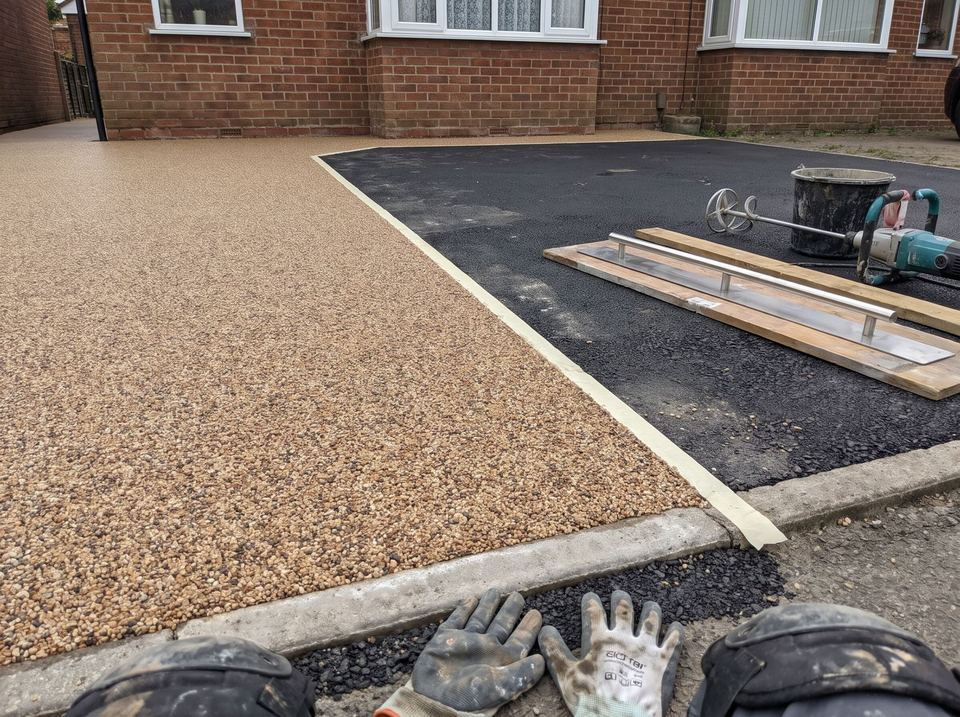 Resin over existing surfaces Resin laid over sound tarmac or concrete instead of digging it all out. Read more
-
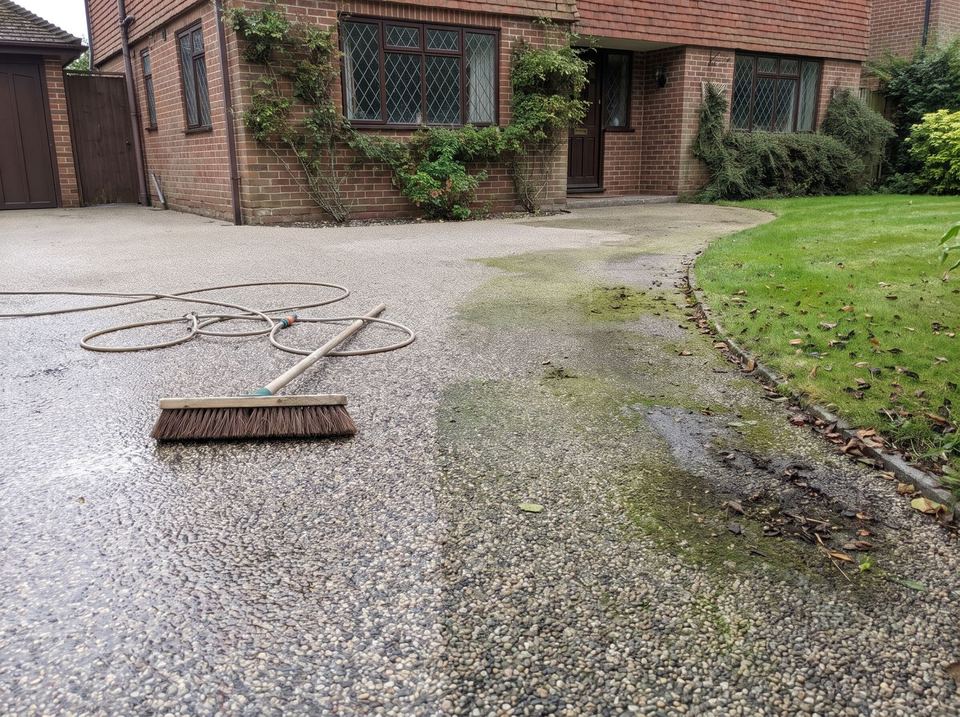 Resin driveway repairs and cleaning Cleaning, patching and putting right resin surfaces that have tired. Read more
Tell us about your surface
Send a few details and a photo if you have one, and we will come back to you to talk it through and give you a price.